Making a wine bottle chandelier

Ok, so I just made a small wine bottle hanging light fixture… not really a chandelier. It’s been a project in the making for quite some time and a great way to break, I mean upcycle, some wine bottles.

A preview of the finished product


First, I had to figure out how to cut the bottom off of wine bottles. The internet was ripe with methods that didn’t work. First I tried a crazy idea where you dip string in acetone, tie it around a bottle and catch it on fire.

Yeah, that didn’t work.

Next, I found a YouTube video that demonstrated how to use a makeshift jig to score bottles with a cheap glass scorer and then use the temperature difference between hot and cold water to crack the bottle. I was never able to get my jig to create a straight enough score so when the bottle did break, it just created a mess.
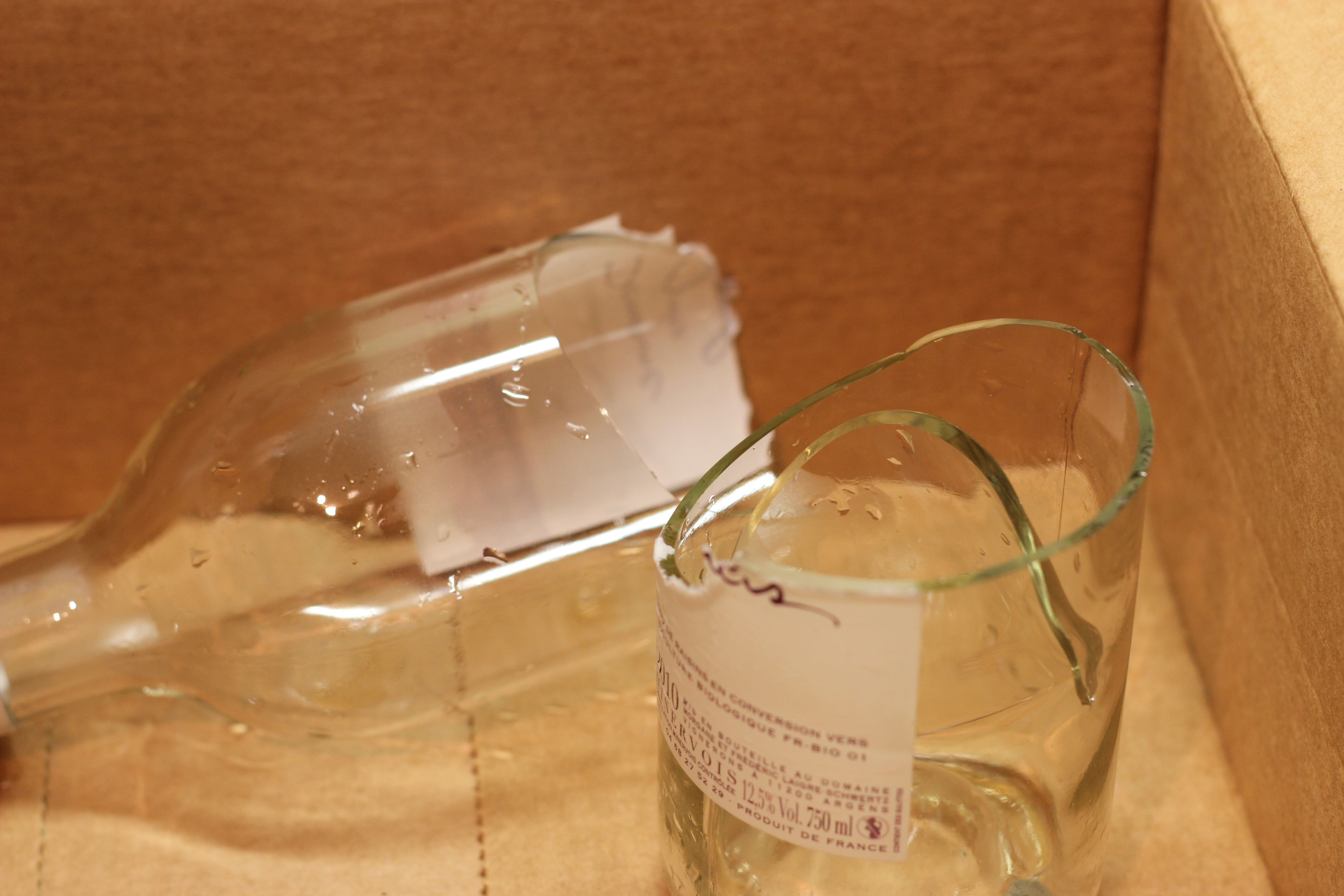
Oops

After multiple rounds of trying to improve my jig, I settled on purchasing this Generation Green Bottle Cutter. After setting it up I got to practicing. And practicing. Getting the bottles to actually crack was the hardest part. I found that heating the bottle in the oven to 225 and then dipping it in ice water just ended in spider cracks everywhere. However, dipping the water in hot and then cold water took many dips for the most part and the hot water cooled down very quickly. It was important to keep the hot water very hot which I ended up doing by microwaving the bowl of hot water every few minutes. Pouring boiling water from a teapot onto the score slowly for a few seconds sometimes worked as well.

Dipping the bottle in hot and cold water

When the score cracked, I could hear it and see the fact that the bottle was beginning to crack. It often took a number of additional temperature changes before the bottle would separate altogether. The Generation Green Bottle Cutter came with a tapping tool that could be used to separate the bottle along the score if it wouldn’t crack. I tried this a few times but never created a straight cut. Even when just using the water a straight cut was rare. I think I created a perfectly straight cut 2 or 3 times and unfortunately only once with the color of bottle I wanted to use. I finally got 3 bottles cut close to straight so that I could use them in my chandelier.

Once I had the cut bottles, it was time to create the light fixture. I picked up the following:

  • A swag kit that included a chain, hooks, wired plug and switch
  • 3 Candelabra sockets
  • Candelabra bulbs
  • Heat shrink tubes
  • Electrical crimp connectors
  • A piece of pine lumber

I then got my handy helper to cut the lumber into two 1 foot sections. One of the sections was split down the middle. We attached two hooks on either end of the wider piece, drilled 3 holes for wires and installed metal staples to use to fasten the wires. We then glued the two smaller pieces to the wider one in a U shape and I stained the wood.

The board before gluing on the sides

After the U was constructed and stained, It was time to insert the candelabra sockets in the bottles and start wiring them up to the plug. I used the crimp connectors to wire the three sockets in a parallel circuit.

Wiring the sockets through the wood holder

After the wiring was complete, I covered the connections with heat shrink wrap and electrical tape.  It was then time to hang the mini chandelier! After hanging it above a dresser, I found the best place to insert the switch that came with the swag kit.

No flash, shows the color of the bottles

Above the dresser

Enhanced by Zemanta

Making refrigerator pickles

Do you know what can be wonderfully tasty? Pickles! Not just any pickles, but ones that you make yourself from in-season local veggies.

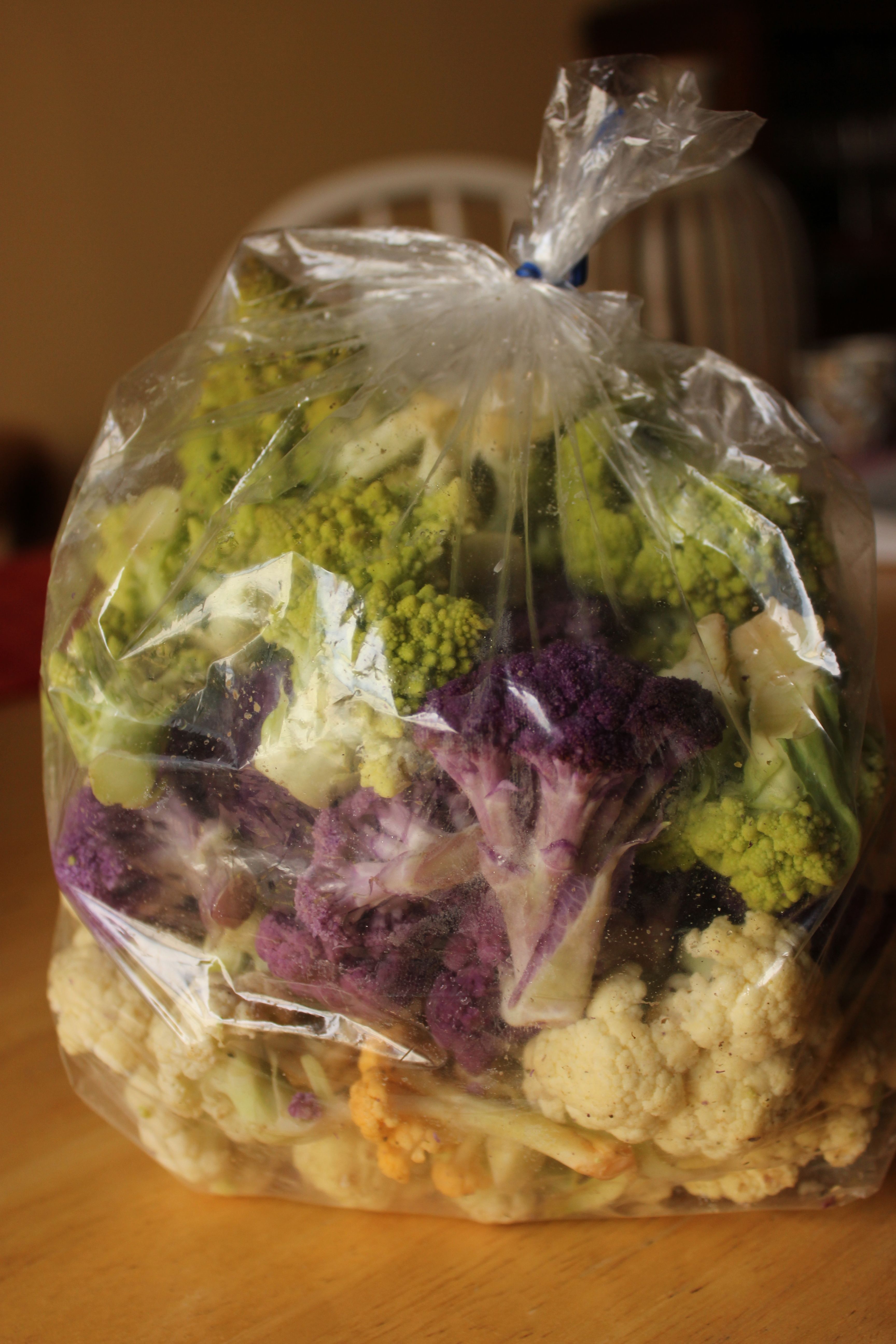
After hitting up our local farmer’s market, we came home with gorgeous cauliflower and carrots with the intent to turn them into pickles.

Beautiful multi-colored carrots. They tasted like candy.

First carrots I ever purchased with the tops still attached!

Delicious white, purple, and green cauliflower.

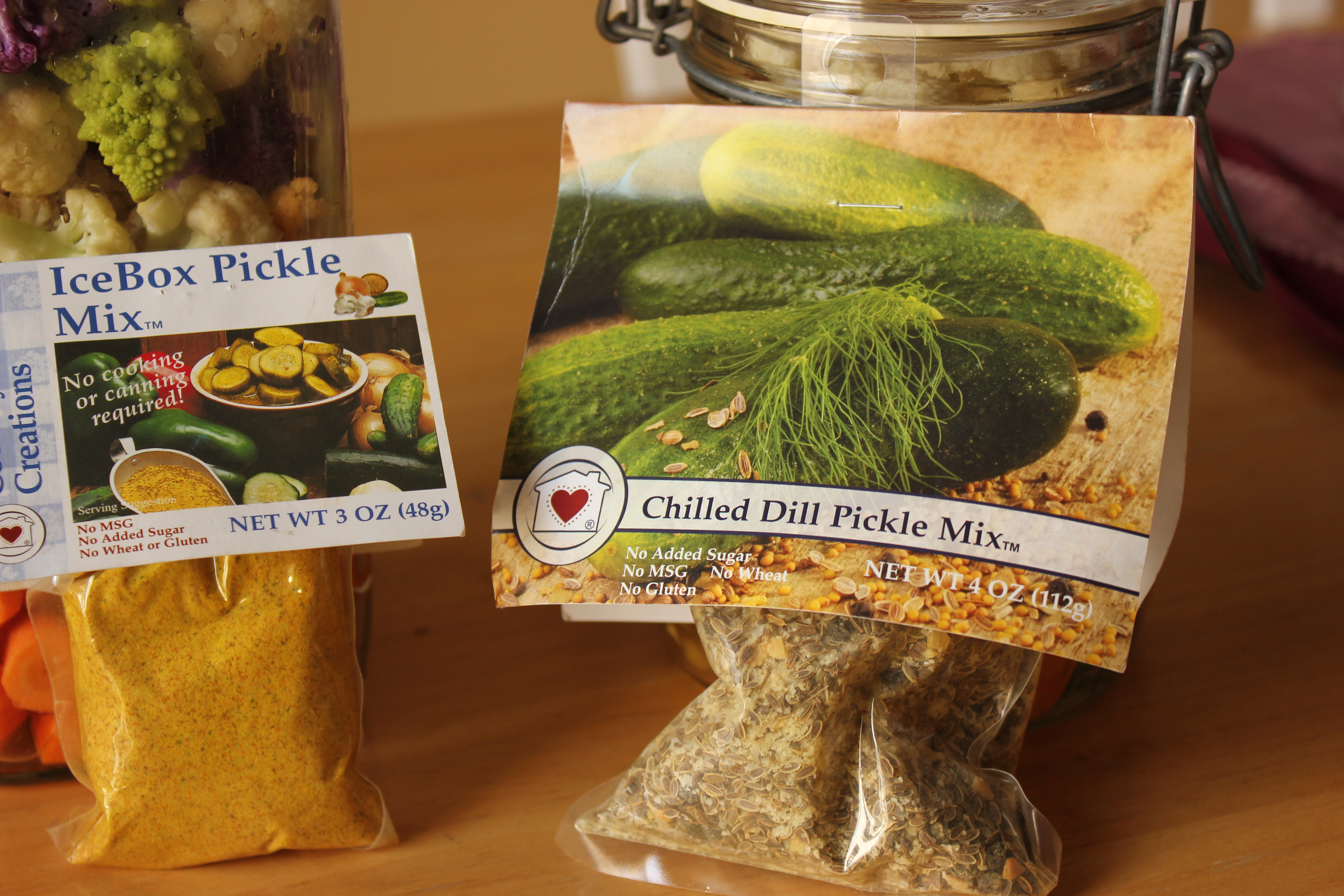
While you can make refrigerator pickles from scratch, I chose to use mixes that I picked up during a trip to Cook Forest, Pennsylvania previously.

Ready to go pickle mixes

We also have a collection of flip top glass jars that are perfect for refrigerator pickles. I filled them up with a combination of carrots and cauliflower and then modified the recipe to make a partial batch. The mix called for a gallon of vegetables, which is way more than I had.

Veggies chopped and ready to pickle.


The dill pickle mix has a few more days to marinate, but the bread and butter type mix has already been taste tested and given a seal of approval. I’m sure they won’t last long.

Ready to marinate!

Enhanced by Zemanta

Make your own simple laundry detergent

Some time ago I decided that instead of buying eco-friendly laundry detergent which can be quite pricey, I would try making my own. This idea didn’t just pop into my head, I saw a number of other blog posts about how to do it.

After actually reading the posts, I decided the liquid version was too time consuming and that I would make the powdered version. To start, I purchased the necessary ingredients on Amazon:

Assembling the ingredients

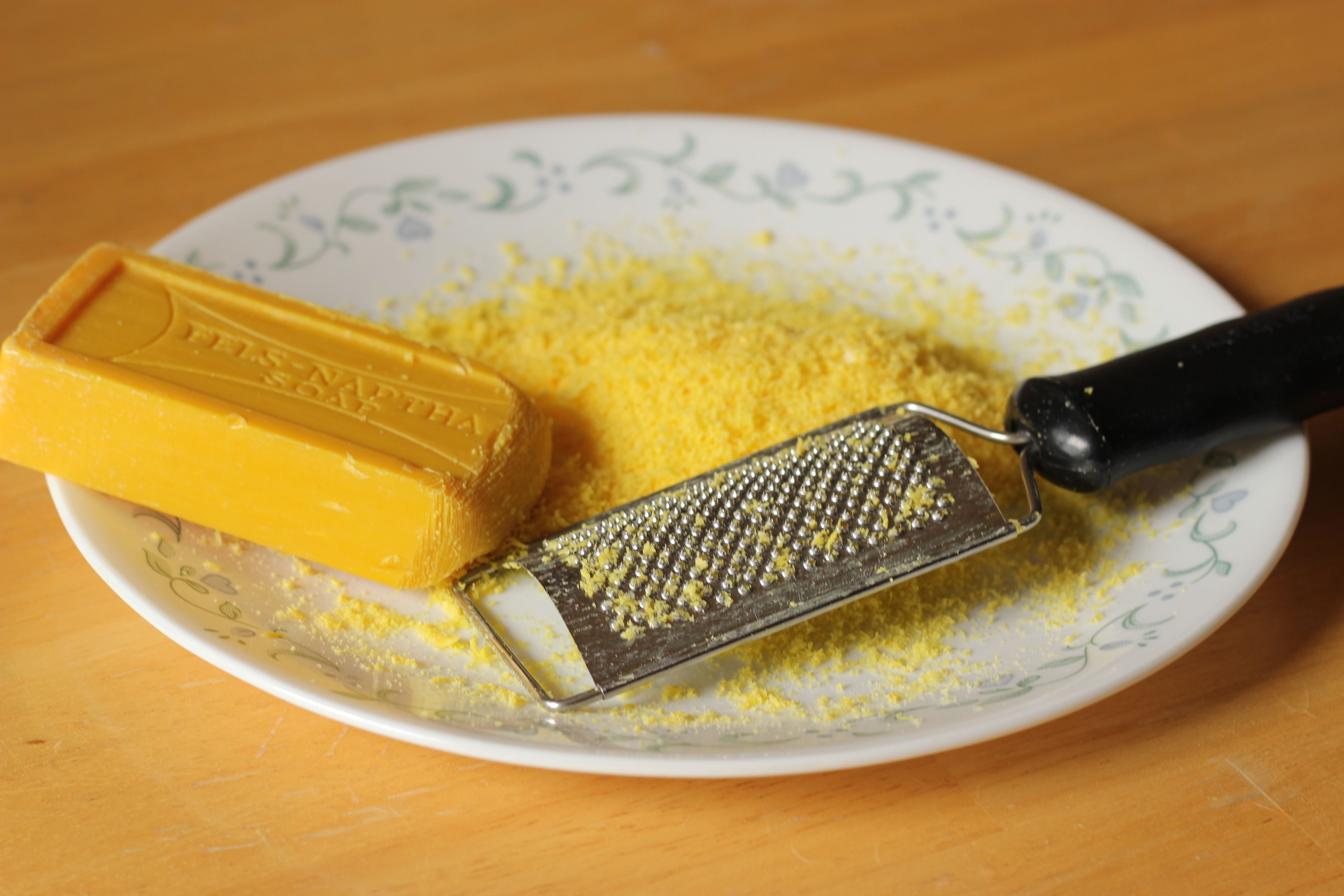
The next step was to find a suitable container to hold my new powdered laundry soap but I luckily had a decent sized plastic jug that orzo came in. I then got around to grating one cup of the bar soap using the smallest grater I own. Somehow I didn’t anticipate how difficult this task would be.

Trying to grate Fels Naptha

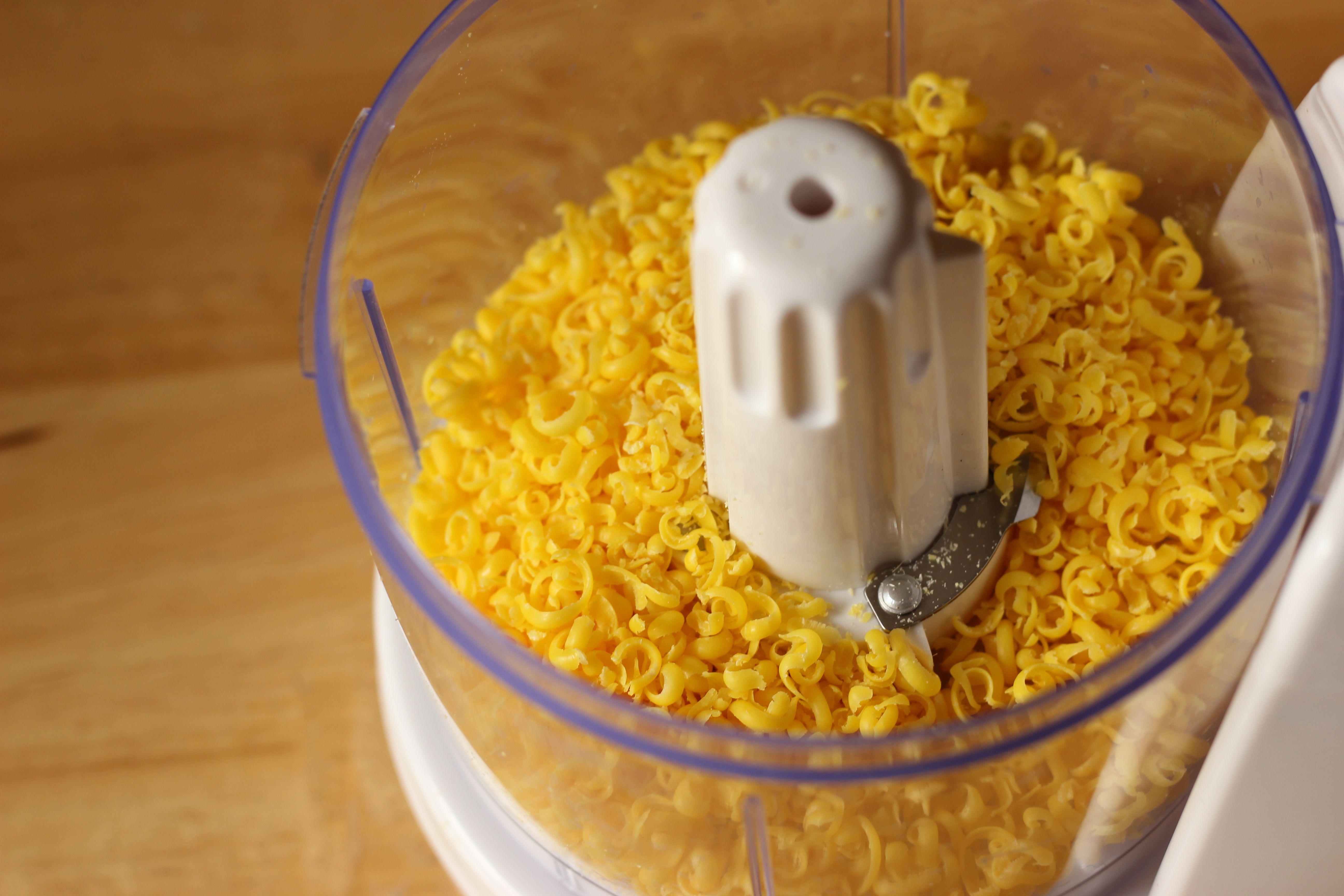
After what felt like forever as my hands quickly tired, I decided grating soap was a stupid idea. I then got out a a much larger cheese grater to make the task go faster. I put the grated soap into a cheap mini food processer to chop up the soap peels.

Soap peels in the mini processor

It took a few iterations, but I eventually got a cup of grated soap after grating about 3/4 of the bar of soap.

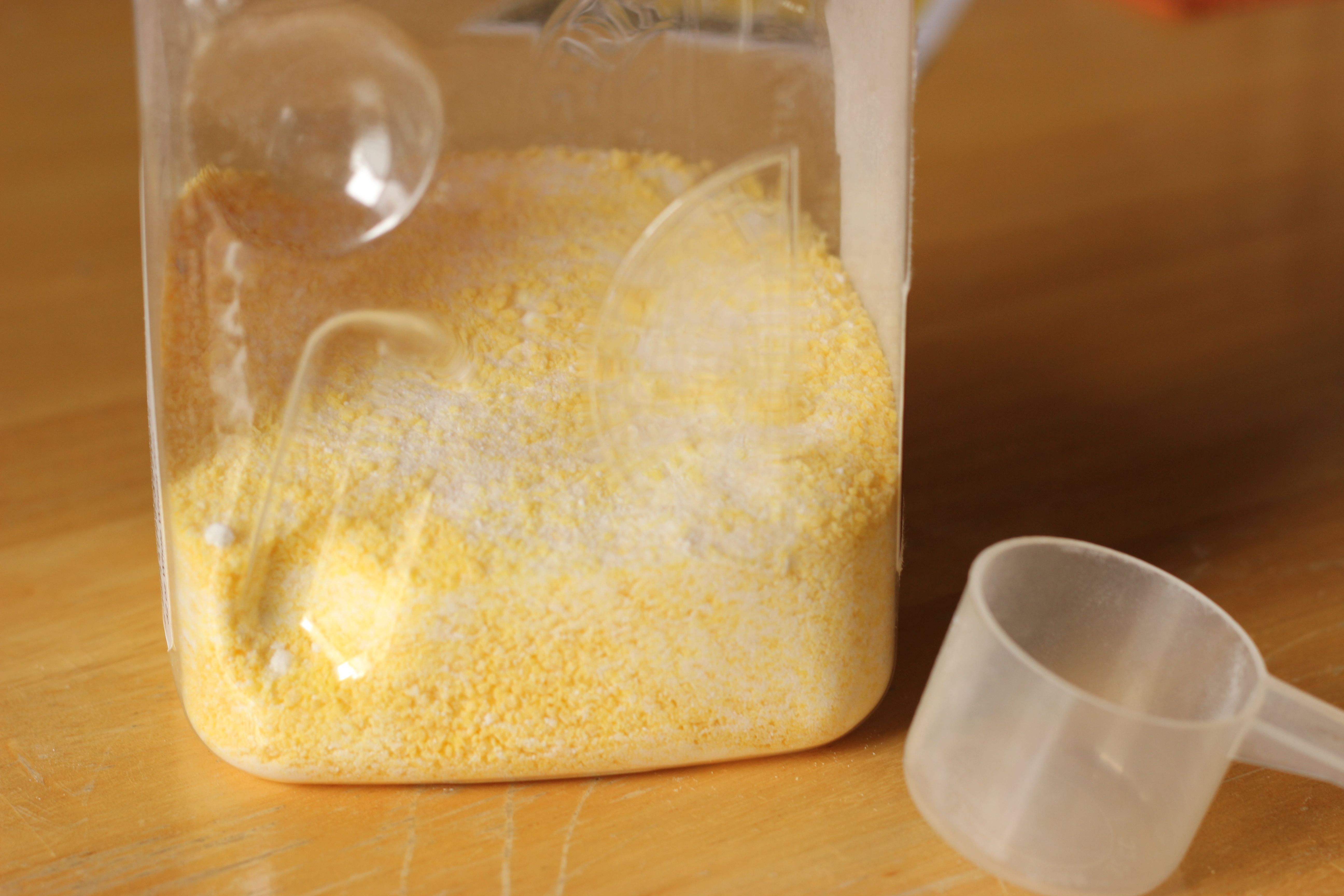
From there it was easy, I combined 1 cup grated soap, 1/2 cup borax, 1/2 cup washing soda and 1/4 cup baking soda. My plan is to add oxyclean to individual loads as needed. According to what I’ve read 2 tablespoons of this mixture should be sufficient for my conventional washing machine. It turns out I even had a long handled scoop left over from a nutritional supplement.

The final product

For the next batch I think I might try a different bar soap due to some mixed reviews I’ve read about Fels Naptha. I also read that opening the bar soap and letting it dry out helps with the grating process.

Anyhow, I’ve used the soap a few times and haven’t noticed a difference from store bought laundry detergent.

Enhanced by Zemanta

Making sound panels in the theme of Dazed & Confused

Cover of "Dazed & Confused (Widescreen Fl...

Cover via Amazon

Recently my company, Ant’s Eye View, moved our Austin office. We ended up with an incredibly awesome location on North Lamar Blvd that happened to be the scene of the Emporium in the movie Dazed and Confused. My co-workers decided to play up the famous location a bit so we’ve got the Emporium sign painted across a wall that spans multiple rooms and each conference room is named after a location in the movie. Oh, and there are movie posters and paddles for decorations.

After moving into the office, we found that the conference rooms had terrible echoes. To fix this, we decided to make sound dampening panels for each room. To complement the movie theme, each room has panels in solid colors that go with the location.

The Top Notch room (click to see sign colors):

The 50 yard line room:

The Moon Tower (pale yellow and dark blue in case you can’t tell):

Being crafty, I was the person who actually constructed the sound panels.

Materials:

  • Sound dampening foam – we used 2′ x 2′ foam with a waffle texture and they look a bit like this
  • Particle board – for mounting the foam and fabric
  • Solid cotton fabric
  • White felt (goes under the cotton to keep bumps from show as much)
  • Mending plates
  • Screws
  • Staple gun
  • Drill

Method:

Cut particle board into 2 x 2 squares. Cut fabric a few inches larger on each side and iron it. First put down the cotton, then the felt, then the sound dampening foam, and then the particle board. Fold in the corners sort of like you are wrapping a present and fold it over the back, pulling it tight.  Use the staple gun to tack down the fabric. Mark holes using the mending plate so that one hole just barely shows above the panel. I used two plates for the 2 x 2 panels. Drill a small hole and then use a screw driver to screw in the small holes. You’re now ready to hang your sound panels!

Enhanced by Zemanta

Growing mushrooms in your own home

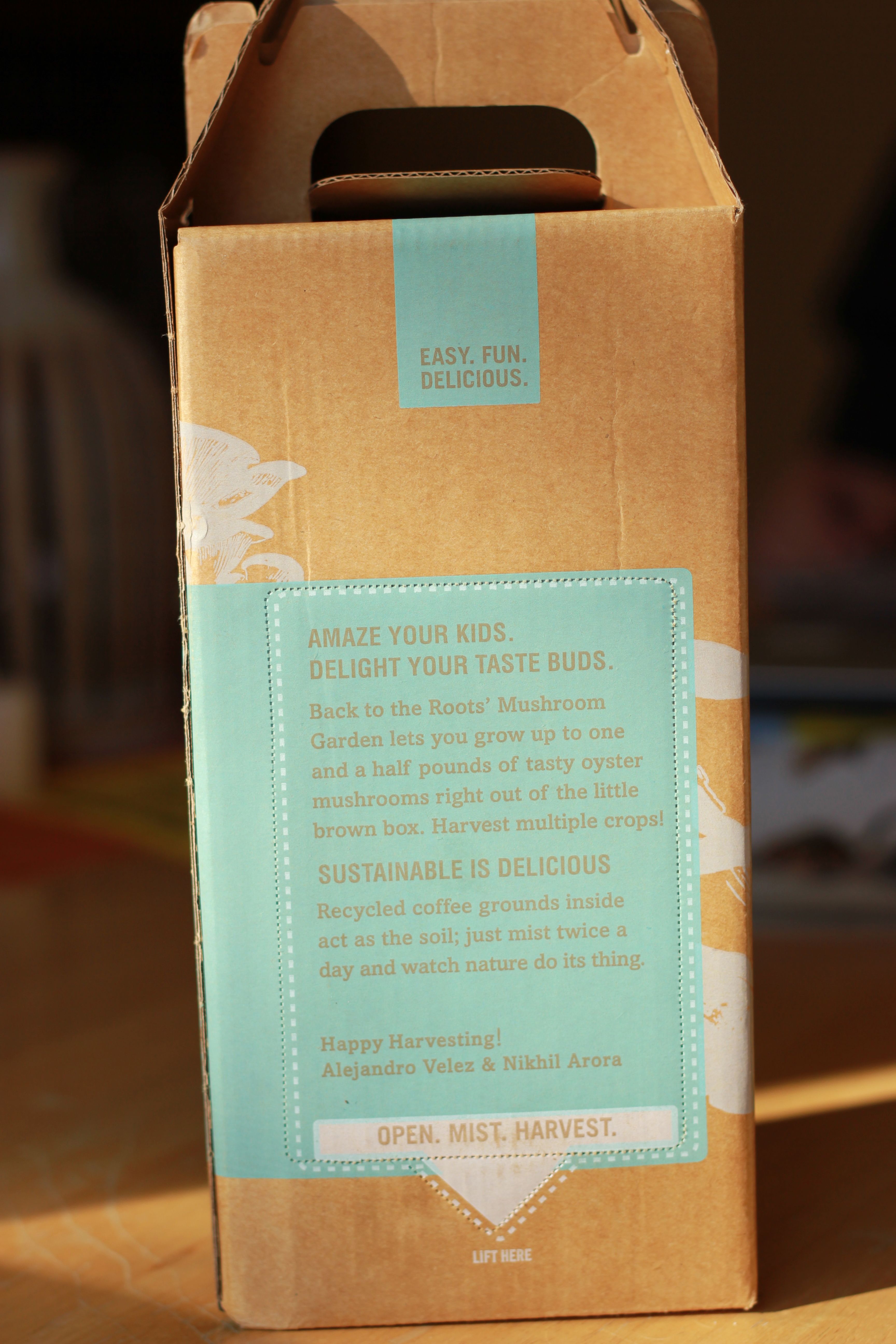
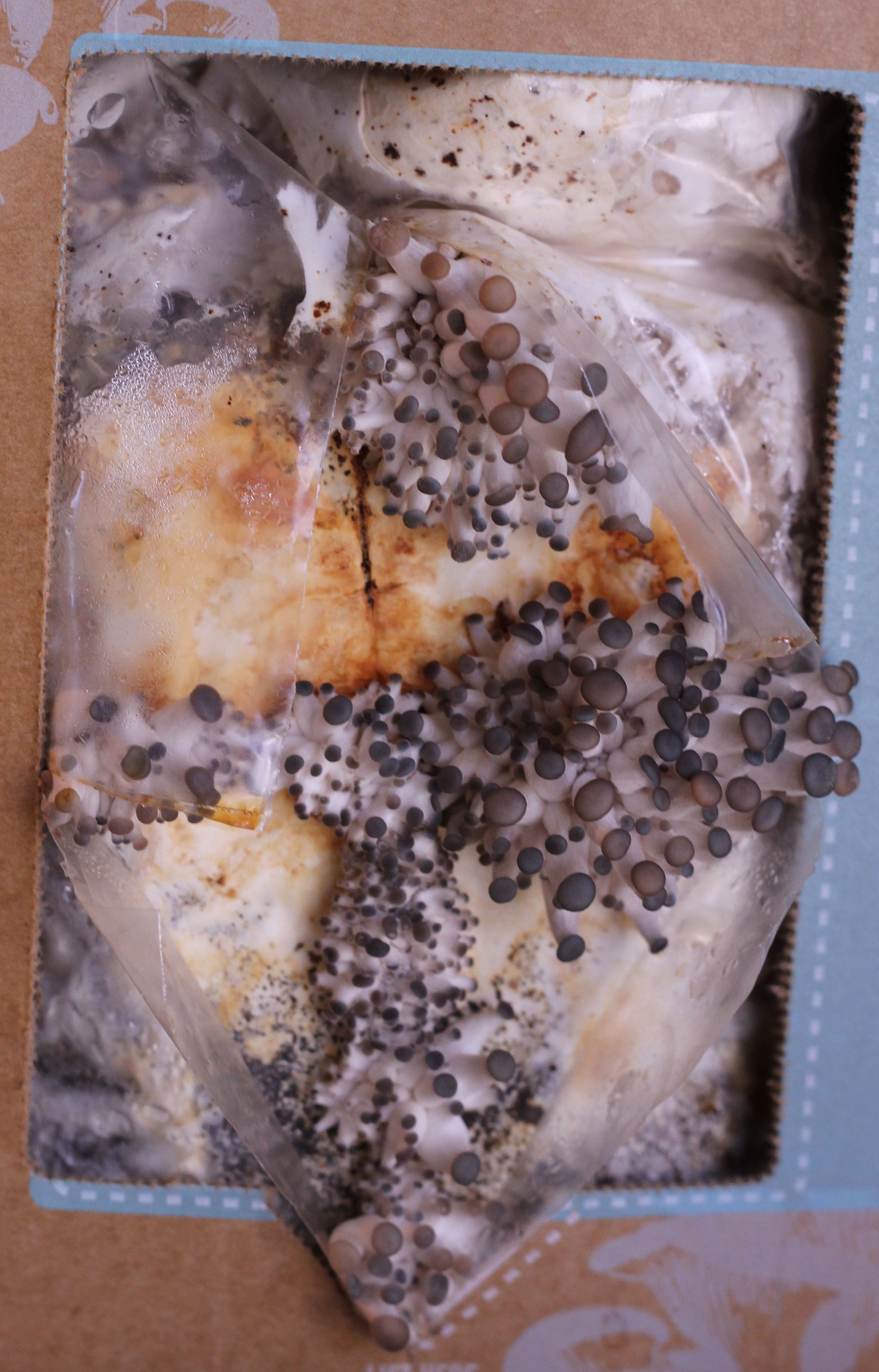
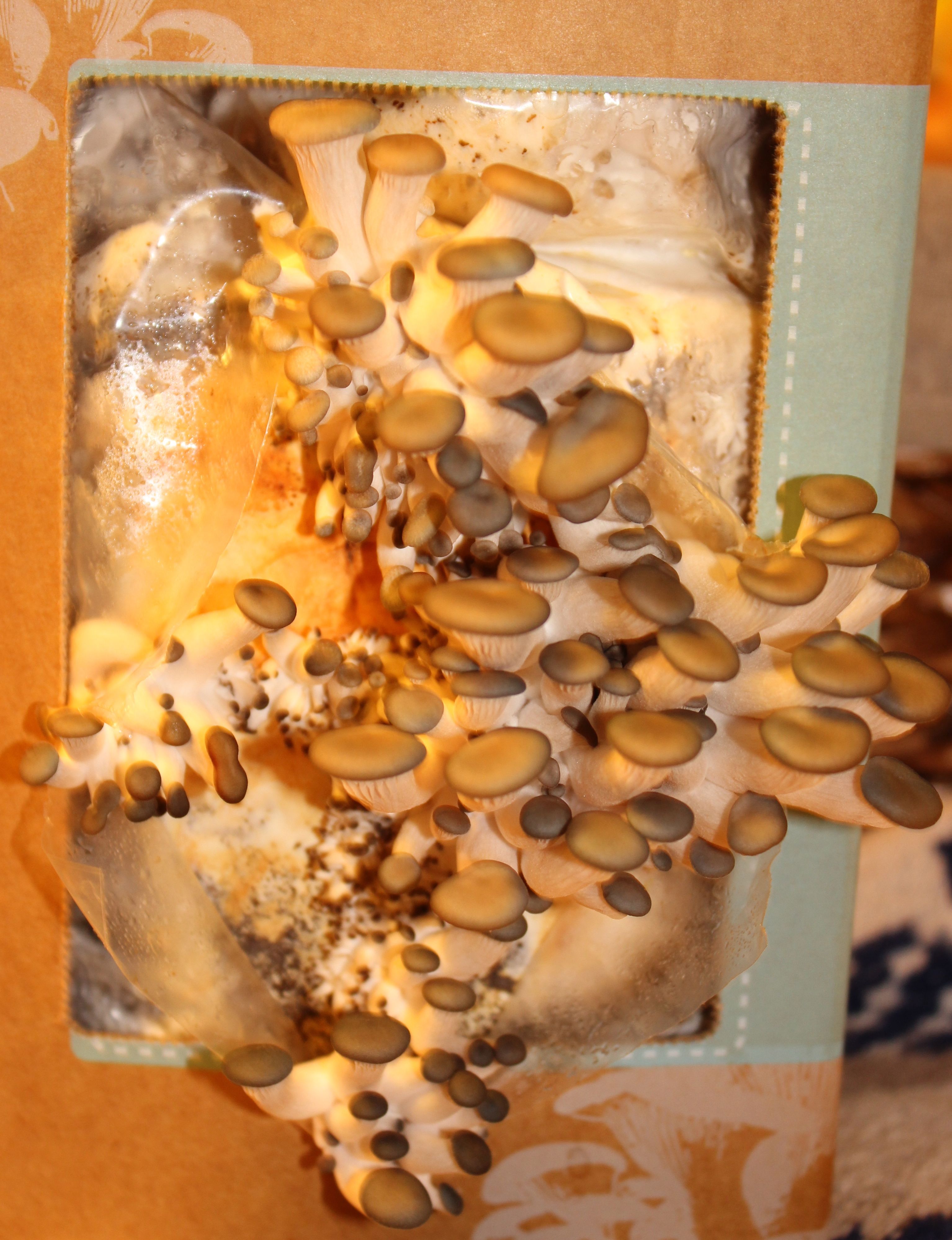
For a gift this holiday season I was given the back to the roots mushroom growing kit.  It’s designed to allow you to grow two crops of oyster mushrooms at home.

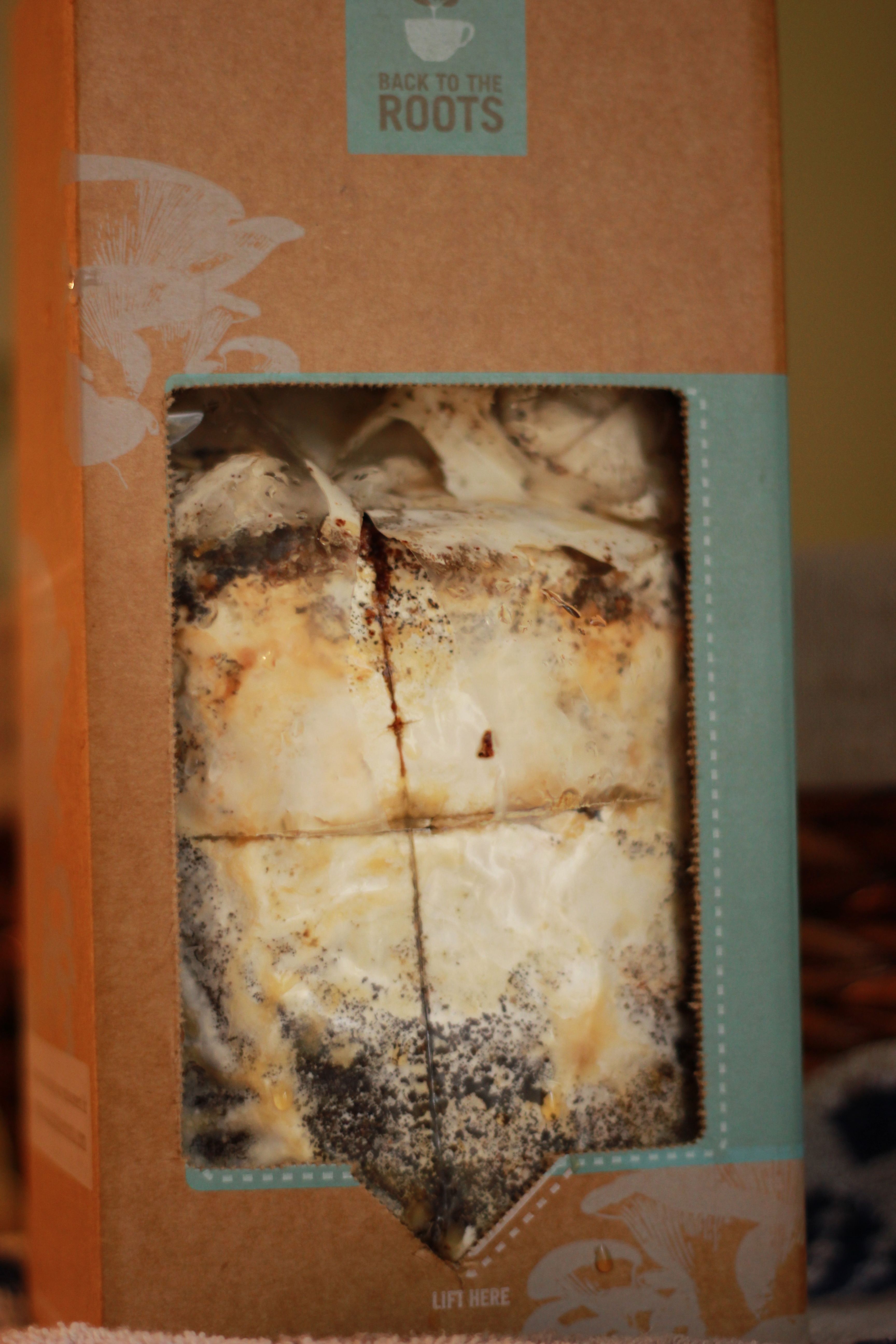
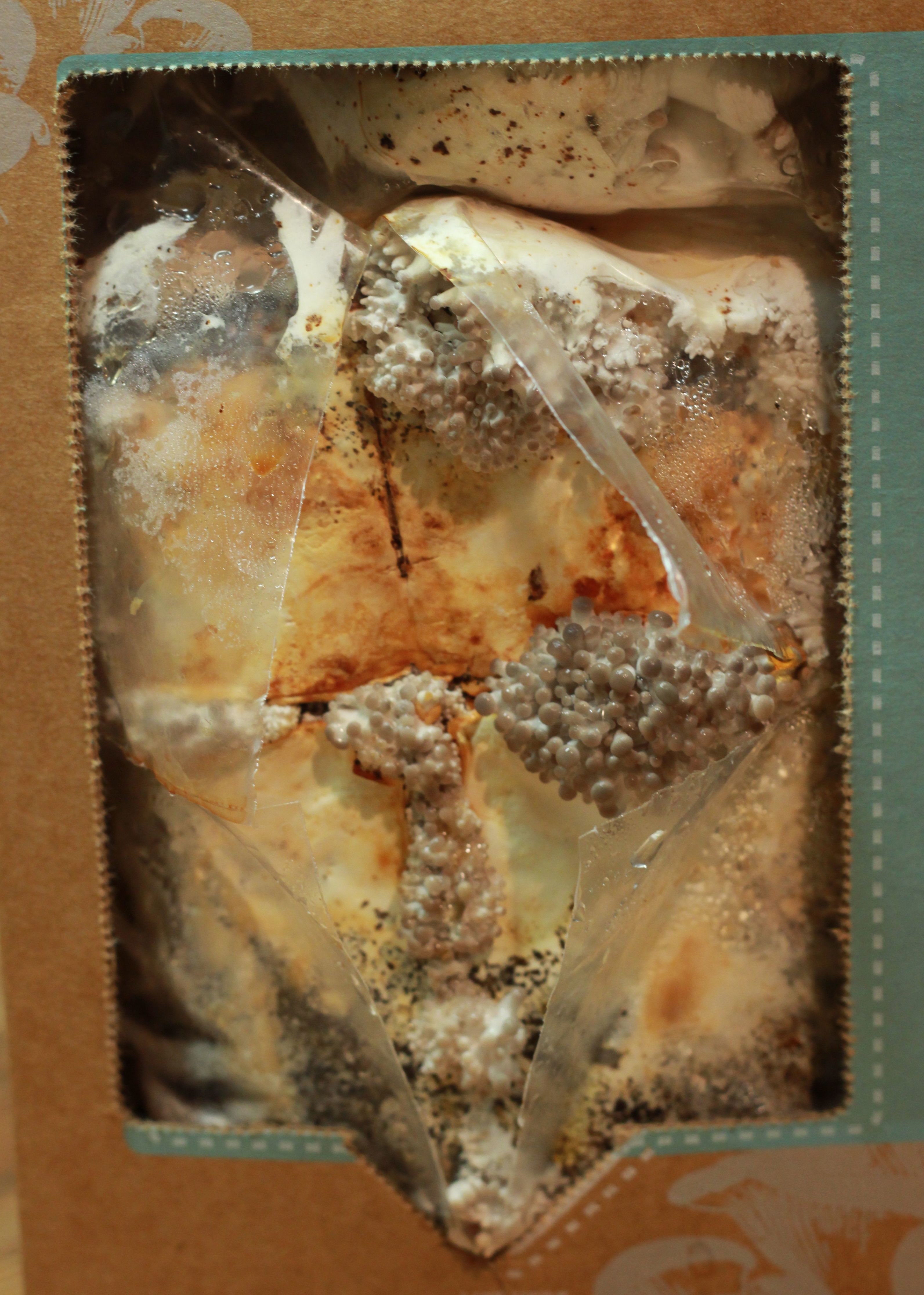
It comes with a plastic bag filled with mushroom spawn (I guess this is mushroom speak for roots) and coffee grounds. You cut it open, soak it in water for a day, and mist twice a day and you’ll start to see mushrooms grow!  See pictures below for the progression. They grew impressively fast.

The trickiest part was deciding when to harvest the mushrooms. The directions that came with the box and the directions on the site are different. The box says to harvest at 1.5″ in diameter and before they start to curl, but doesn’t tell you if you should harvest them all at once. The website tell you to harvest when they are 2 – 3″ in diameter and to harvest them all at once. Anyhow, I harvested them once they started to curl. I didn’t get as many out of the batch as I expected, but I did turn them into a delicious stirfry.

I think I’ll try using the mushroom starter in a container outside after I grow my second batch to see if they will establish themselves. The kit is a little pricey for only two batches of mushrooms, but it is definitely cool so it would be awesome if I can figure out how to reuse it.

See the photos:

Enhanced by Zemanta

Making no knead bread

I recently stumbled across this recipe from five years ago, published in the New York Times about how to make bread without kneading. And it includes yeast. I had never made bread with yeast other than in a bread maker before and I was anxious to try this method after getting a dutch oven as a gift.

My new dutch oven is 3 quarts and the recipe makes reference to a 6 to 8 quart dutch oven so I decided to try to divide the recipe in half. I tried this twice. The first time was a disaster after just halving the ingredients exactly. The second time I used more yeast and more water and had better results. However, I decided that it would be better with actual bread flour instead of whole wheat flour and that I should use fresh yeast. After getting the new ingredients I went straight for the whole batch the first try. Huge difference! The 3 quart dutch oven worked just fine. I also only let the dough sit for about 6 hours instead of 12 before kneading it just a bit and letting it rise for about 3 hours instead of 2. It was hard to work the bread’s schedule into my schedule this weekend.

Initial dough – it’s a bit shaggy:

After kneading into a round shape and allowing to rise under a cotton towel (in a bowl so that the dough rises up instead of flat):

After baking, the bread is beautifully crusty:

The crust is quite thick, but after wrapping in foil and refrigerating the loaf, it wasn’t quite so hard. Just out of the oven:

You can see the bread is light and fluffy inside. Very chewy and quite delicious especially when toasted:

I definitely plan to make this again! Probably will try adding some herbs like rosemary or thyme sometime soon.

Enhanced by Zemanta

Making miso soup

For a while I’ve had some miso in the fridge. I knew I wanted to try making something with it again so I settled on making soup. I found this recipe from Vegetarian Times that appealed to me because of the variety of vegetables it includes. Of course, I made the decision to change it up so I got extra cremini mushrooms  in addition to the oysters, an extra white onion, a poblano pepper, and went for mustards greens instead of spinach since they were particularly pretty at the store and they’re a winter crop. The grocery store also conspired against me by not having any fresh ginger OR frozen edamame. The nerve!  Of course I also doubled or perhaps tripled the recipe so that it would last all week (and then some it turns out, must remember that I’m only feeding two people).

Anyhow, my version went something like this:

Slice 3 large carrots, one poblano pepper, onion, scallions (AKA green onions), and mushrooms and cook in minimal oil for a few minutes.

Add lots of water to the pot, bring to a boil. Add frozen peas in place of edamame, continue to cook for a few more minutes

Add mustard greens since they are a little tougher than spinach and I assume take longer to cook than the spinach called for in the recipe. Cook a few minutes.

Reduce heat, add rice noodles that had been soaking in water and powdered ginger. I just tend to wing it with ginger since I’m a fan of the spice.

Blend a bunch of brown miso in some warm water with a mini whisk or fork. Add miso, sesame oil, and soy sauce to pot.  Allow to simmer for a while. Taste and adjust flavors as needed. Of course, soups are always better the next day. We ended up adding sriracha to our individual bowls to make them a bit spicy.

Turned out pretty well, overall. Definitely more flavorful than many other soups I’ve made. And probably pretty healthy with all of those pretty veggies…


Enhanced by Zemanta

Edamame hummus, a delicious color of green

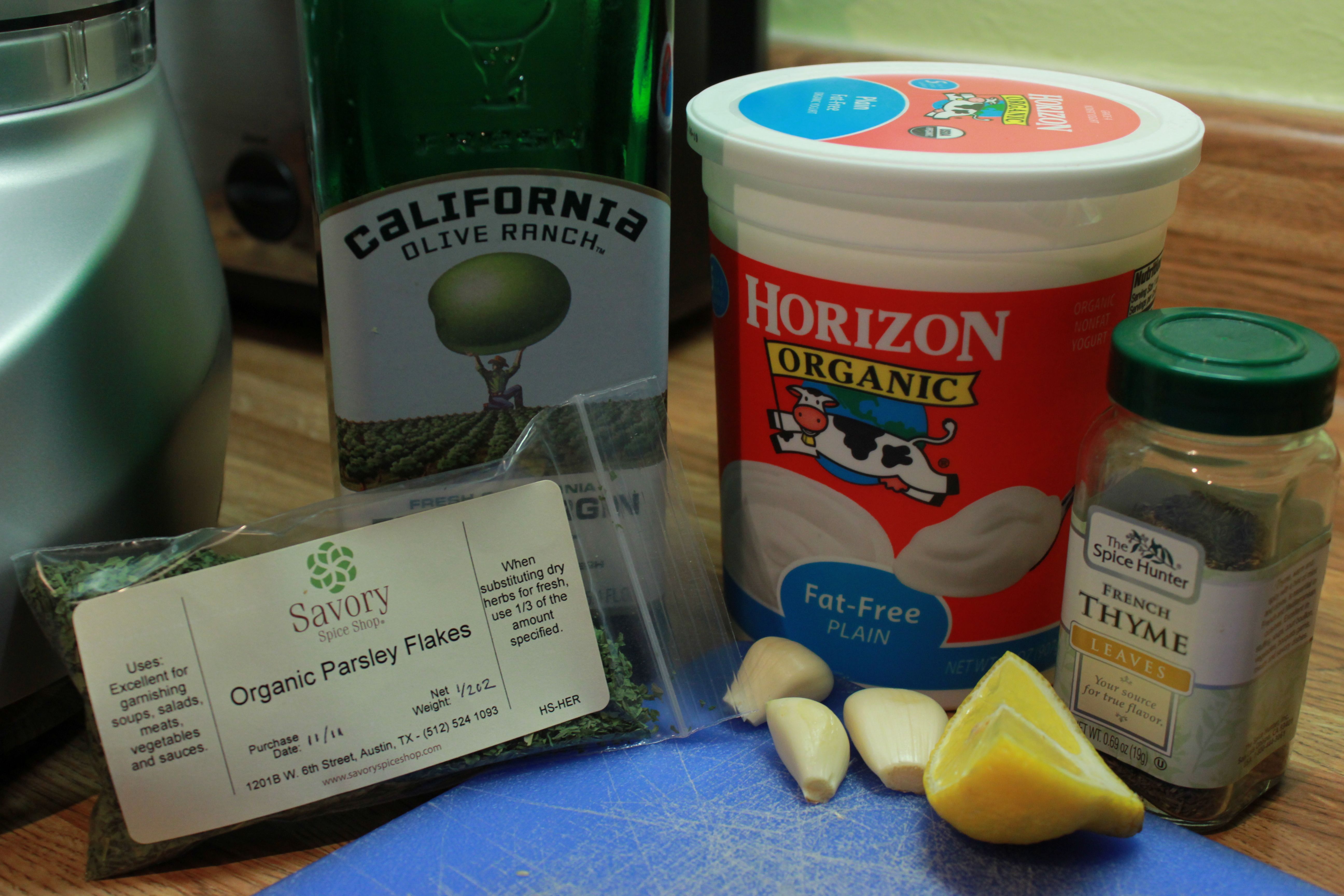
The thing I like best about edamame hummus (or spread if you insist hummus is only made of chick peas) is its beautiful light green color. OK, really what I like best is the taste but the color is a close second, especially since my kitchen is basically painted the same color. It’s also seriously easy to make since I don’t add any extra flavoring.

Ingredient list:

  • Frozen edamame
  • Olive oil
  • Plain yogurt
  • Garlic cloves
  • Squeeze of lemon
  • Sea or kosher salt
  • Herbs to taste (I used parsley and thyme)

Instructions:

Cook edamame according to instructions. I buy the kind that steams in the bag in the microwave. Add the entire bag (or less if you want to use edamame for something else) to your food processor. Also add minced garlic – I used 3 big cloves, which is pretty garlic-y, juice from a quarter of a lemon, a drizzle of olive oil, salt and herbs to taste. Add about 3 dollops of yogurt and turn on the food processor for about a minute. Check the hummus. Continue to add yogurt and run the food processor until you reach the desired consistency.

Before processing:

After processing – yum!

Enhanced by Zemanta

Kale crisps… learning how to make them right

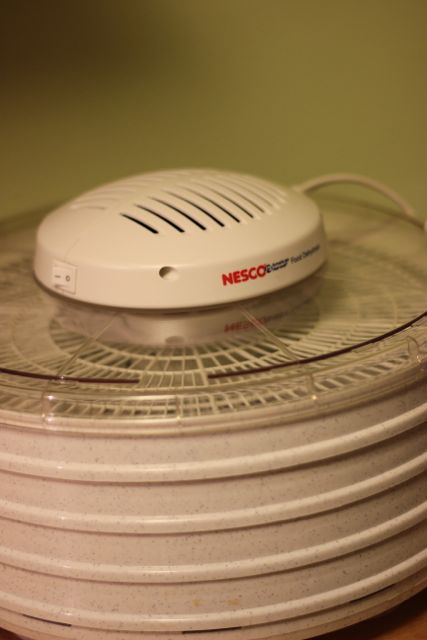
Kale is delicious, as I’ve mentioned before. Early in 2011 I started reading about making kale chips / crisps and tried it myself. Using my oven, they came out tasty but you had to eat them right away or they didn’t stay all that crispy. Fast forward to now. As a gift this year, I got a Nesco food dehydrator. Technically, I got it to make my dog sweet potato chews, which are quite pricey to buy. I will try to make those soon and post my results. My food dehydrator is simple, with just an off and on switch, no temperature settings that many dehydrators seem to have. I wasn’t able to find out how long I should dry the kale, so I had to experiment. I tried making both the curly and flat leaf kale and I found that the curly leaf kale definitely tastes better.

Kale crisps recipe

Ingredients:

  • Curly leaf kale
  • Olive oil
  • Spices – salt and pepper are a must. Try also adding paprika or your other favorite spice blend.

Method:

Rinse kale thoroughly. Make sure to check the underside of the leaves for any bugs. Tear it into pieces about 1.5 – 2 inches. Don’t bother with the small pieces on the stems because they will wither away and just look like crumbs. Dry the kale – a salad spinner works well for this.

Put about half of the kale into a large bowl. Drizzle a small amount of olive oil and add some spices. Roll up your sleeves and use your hands to knead the kale to get the oil to coat the kale leaves. I found that using a spoon didn’t coat the leaves well enough. After you have kneaded in the oil, the kale will have wilted a bit and now you can put the other half of the kale in. If you had plenty of oil already, you can just continue to knead to spread the oil. If needed, add another drizzle of oil. Continue to add spices to taste.

After the oil and spices are spread, arrange the kale on the dehydrator trays. Don’t layer too much, but you can definitely crowd it on the trays.

Then, turn on the dehydrator. After about 3 hours, the kale should be done!

Store in an air tight container and enjoy!

Enhanced by Zemanta

Making apple crisp, a simple but delicious dessert

I used to make an apple crumb pie for Thanksgiving. It was good, but I don’t really like to mess around with real pie crusts so I always just bought a frozen crust. That was probably the downfall of my pie.

Then one magical day, I discovered the world of making apple crisp. Ok, so someone else actually made it and I was so enamored that I had to have the recipe. She obliged and now it’s one of my favorite fall and winter desserts to make. I’ve changed up the recipe a bit to add more spice of course.

Apple filling:

  • 5 – 6 Medium to large apples – I like to use sweet apples like Gala, Braeburn, Jonagold, Cameo, Fuji, etc.
  • 1/4 cup water
  • Cinnamon and ground ginger to taste

Topping:

  • 1 cup brown sugar
  • 1/3 cup butter, softened / melted
  • 3/4 cup flour
  • 1/2 cup oats
  • 1/4 tsp salt
  • Cinnamon and ground ginger to taste

Directions:

Chop apples. Peel them if you like, but I like to leave the peels on. Place in a baking dish and toss with water, cinnamon and ginger.

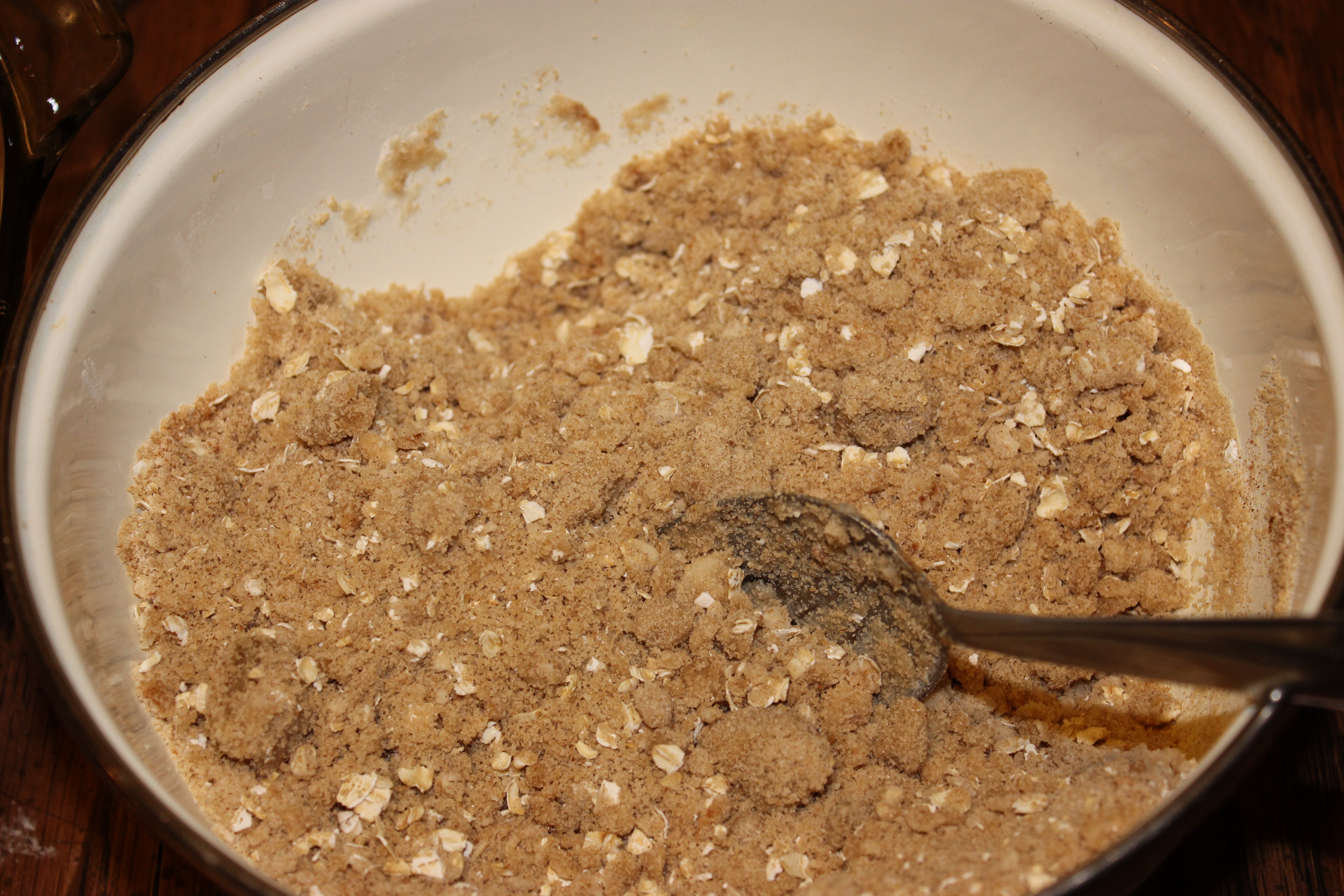
Combine topping ingredients. Stir together by hand until combined. No mixer required.


Spread topping on top of apples. Bake at 350 for 45 minutes or until apples are soft. Hard apple cider in a Christmas glass is optional, but highly recommended for the cook.

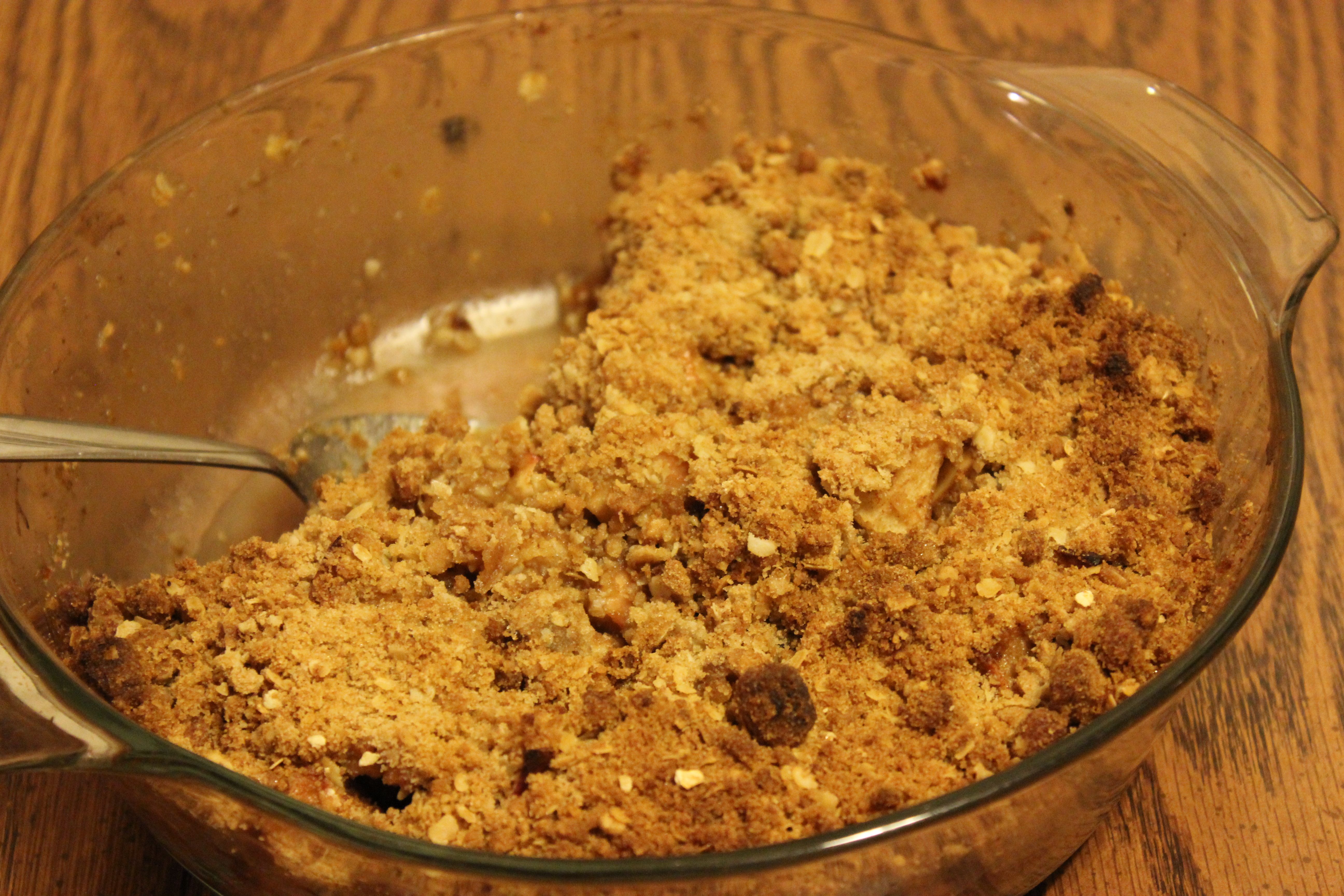
It was so good I didn’t even get a picture of it before it was partially eaten.

Enhanced by Zemanta